
Our Work

Malachite designs and builds specialized process systems for advanced materials and chemical processing, spanning microwave, plasma, thermal, and high-pressure intensification techniques. What follows is a cross-section of that work — compact microwave reactors, continuous-flow platforms, large-format plasma and deposition systems, and more across lab, kilo, and pilot scale. The range reflects our core focus: bridging R&D and industrial-scale processing.

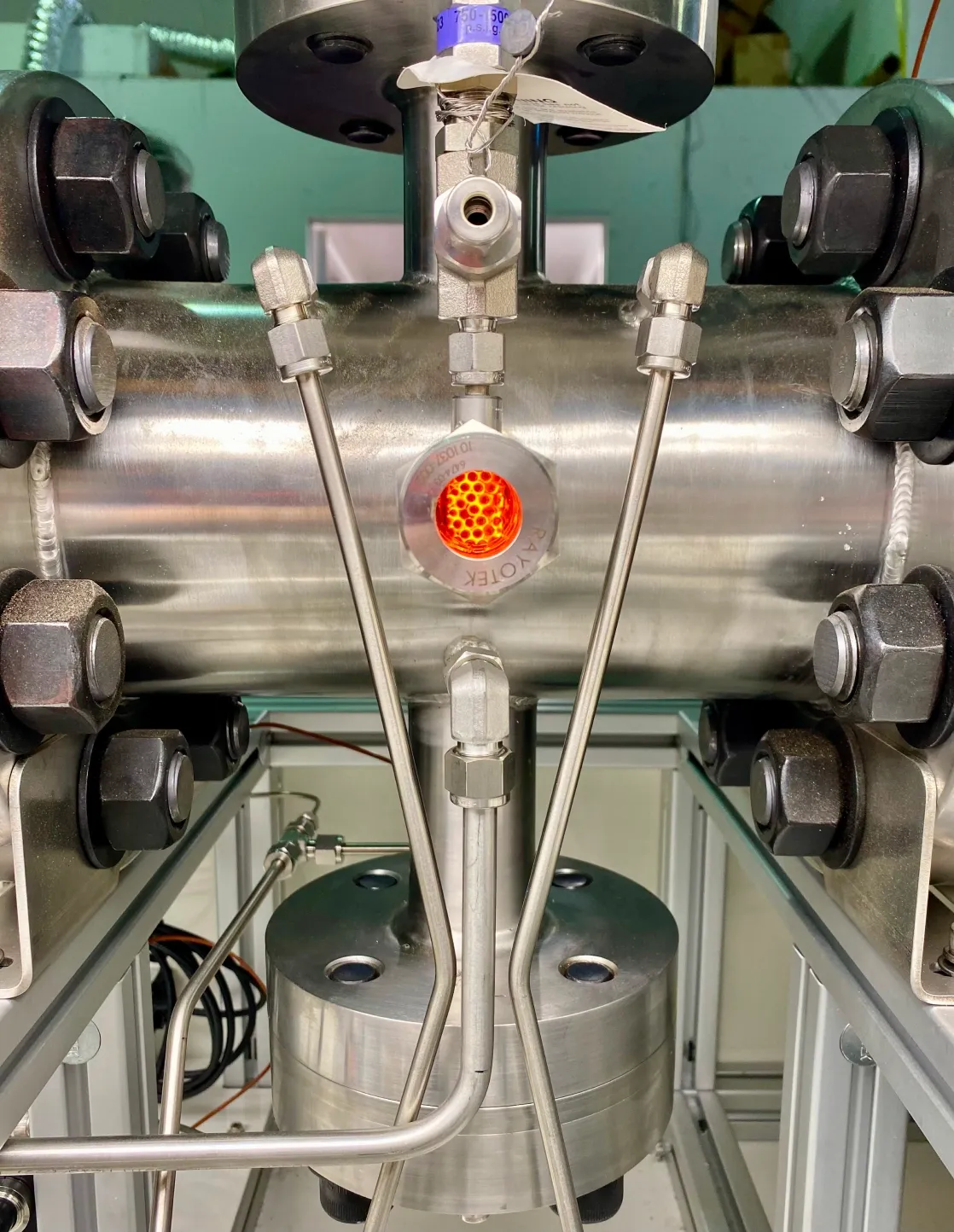
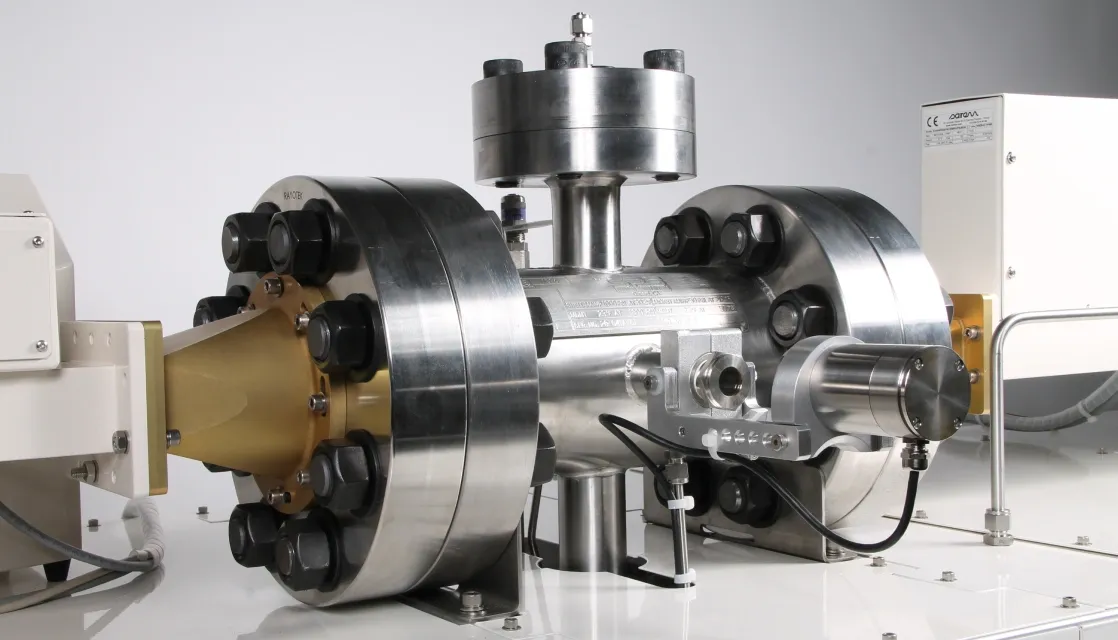
High Pressure Mono-Mode Microwave Reactor

Built for applications that demand more control than conventional atmospheric microwave systems can provide, this reactor combines 2.45 GHz microwave energy delivery with a pressure-rated, water-cooled reaction body — enabling elevated-pressure and elevated-temperature chemistry under tightly managed process conditions. Automatic tuning hardware maintains efficient power delivery throughout, while IR pyrometry, closed-loop control, and integrated safety systems support repeatable operation in demanding research environments.
Key features

  • 2.45 GHz mono-mode resonant reactor platform
  • Up to 10 kW continuous-wave or pulsed power
  • Continuous operation capability up to 1000 psig and 1000°C
  • Water-cooled double-wall chamber design
  • Quartz process tube with pressure-rated sealing interfaces
  • Sapphire waveguide windows with temperature monitoring
  • Automatic microwave tuning hardware
  • Non-contact IR pyrometer temperature sensing with PID control
  • Dedicated pressure and safety control system
  • ASME-certified pressure boundary

Primary application areas

  • Heterogeneous catalyst screening under high-pressure, high-temperature conditions
  • CO₂ conversion and methane reforming studies
  • MOF, zeolite, and advanced ceramic synthesis
  • Biomass hydrothermal conversion and liquefaction
  • Nanoparticle and specialty materials synthesis
  • High-pressure ammonia decomposition and hydrogen production research

Atmospheric Microwave Plasma Reactor

Built for plasma process development that fixed-format tools can’t accommodate, this platform combines a 2.45 GHz plasma source with a fully configurable process architecture — gas delivery, optical access, reactor tube geometry, and tuning hardware all adapted around the application. A quartz through-bore plasma geometry with vortex gas injection, multiple diagnostics interfaces, and downstream integration options support systematic development across a wide range of plasma chemistries and process conditions.

Key features

  • 2.45 GHz microwave plasma reactor platform
  • Up to 10 kW continuous-wave or pulsed power
  • Configured for 10 to 500 SLM process gas flow
  • Forward or reverse vortex gas injection options
  • Automatic ignition capability
  • Manual or automatic waveguide tuning options
  • Optical access and diagnostic ports including IR / VIS OES interfaces
  • Vacuum and pressure-control integration options
  • Quench hardware for downstream gas-processing studies
  • Online gas composition analysis via Raman integration

Primary application areas

  • CO₂ dissociation and plasma-assisted carbon capture research
  • Methane activation and dry reforming
  • Ammonia synthesis and decomposition
  • Plasma-assisted catalysis screening
  • Waste gas treatment and plasma-assisted remediation
  • Exhaust abatement

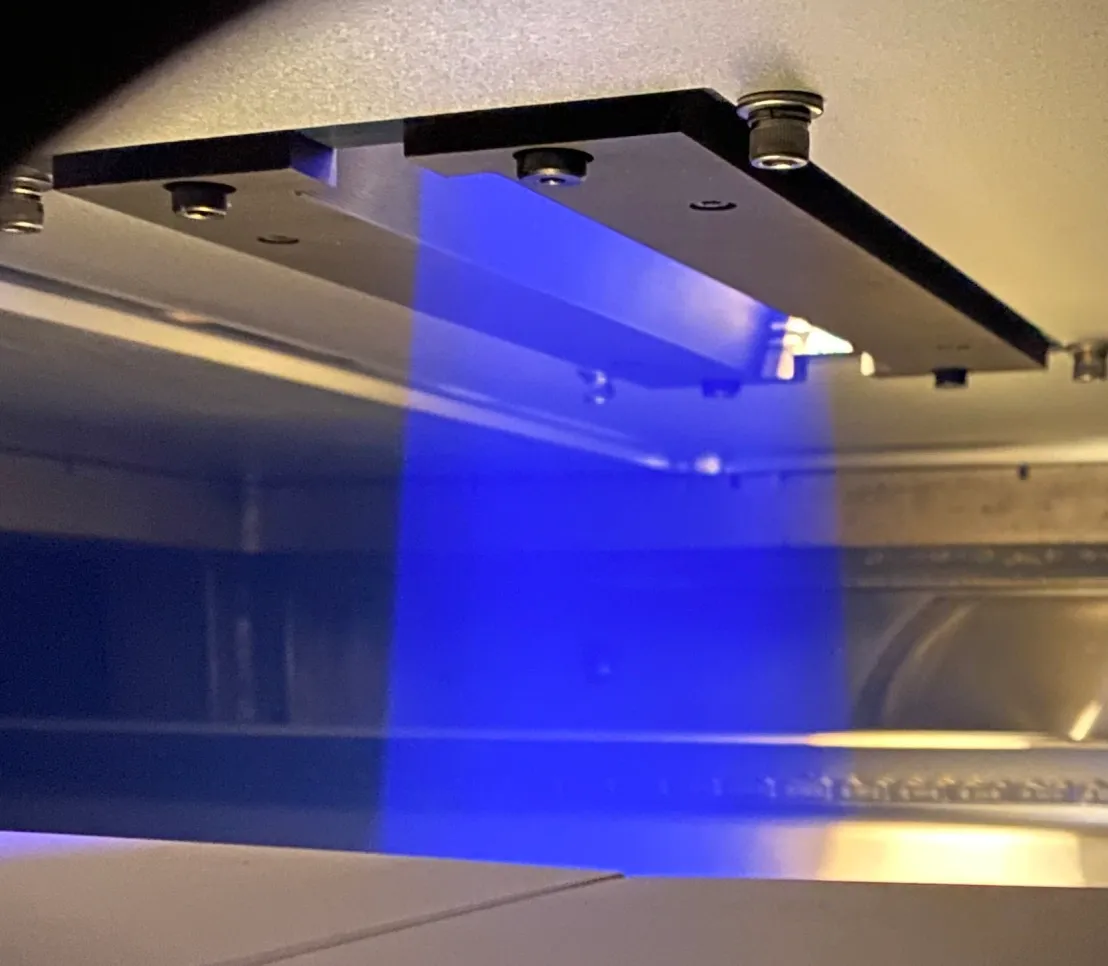
Linear 60 kV Ion Implant Source

Built for surface engineering processes that demand large-area coverage and a wide operating range, this linear ion source combines a patented ribbon beam architecture with a single-slit triode extraction design — supporting ion energies from 100 eV to 60 keV across deposition, milling, and implantation processes. Magnetic plasma confinement and beam neutralization maintain consistent, uniform output, while scalable geometry and in-line compatibility make it well-suited for both R&D and production environments.
Key features

  • Patented large-area ribbon ion beam architecture
  • Ion energy range from 100 eV to 60 keV
  • Current density up to 30 mA/cm²
  • Beam current up to 1 A per linear meter
  • No intrinsic beam-length limit
  • Single-slit triode extraction design
  • Thermionic electron generation
  • Magnetic plasma confinement
  • Neutralized ribbon beam output
  • Uniformity can be tuned through gas-flow control

Primary application areas

  • Ion implantation
  • Ion-assisted deposition
  • Large-area ion milling and etching
  • Surface activation
  • Surface nitriding and interface engineering
  • Optical and anti-reflection surface modification

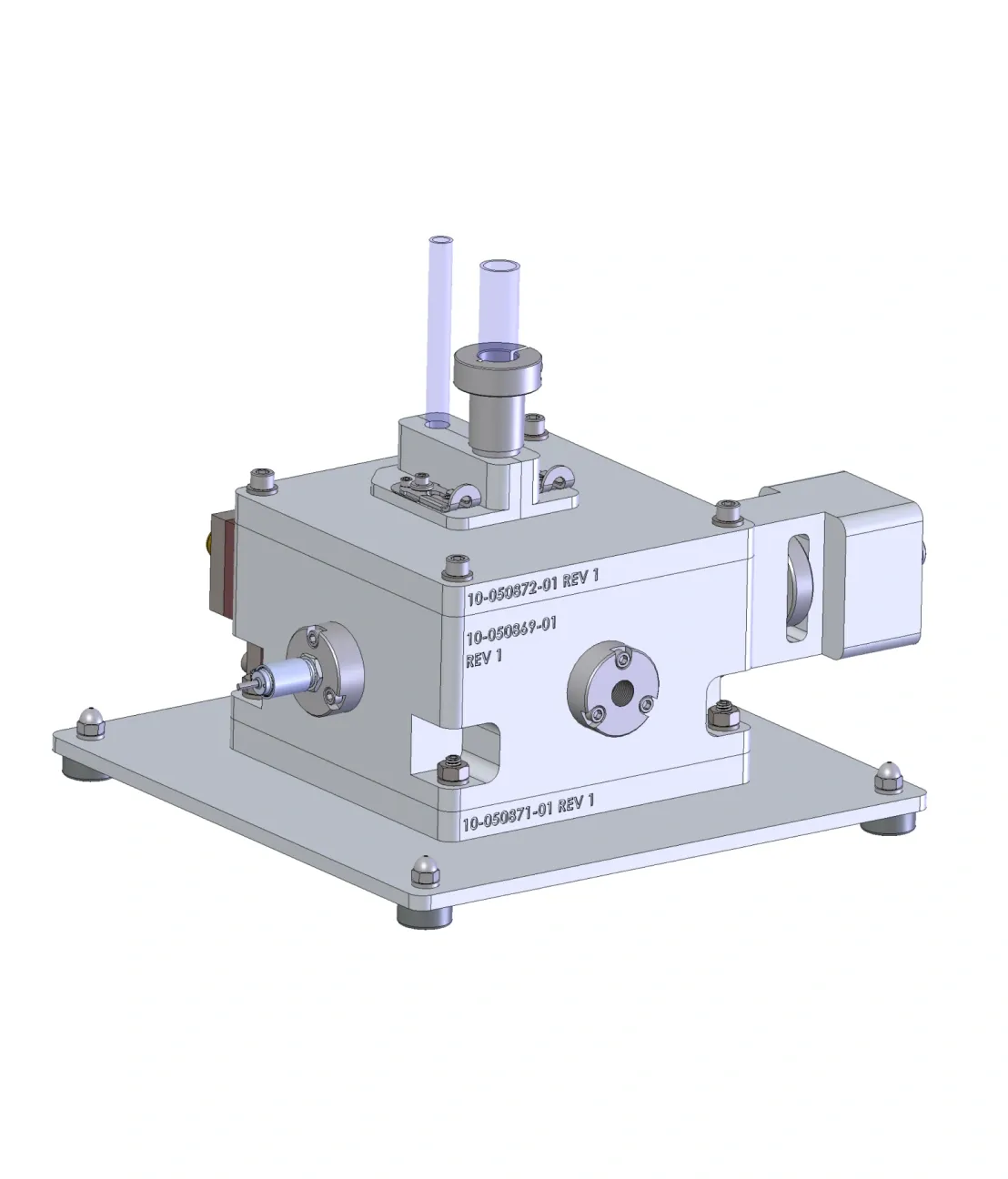
TE111 Resonant Cavity System

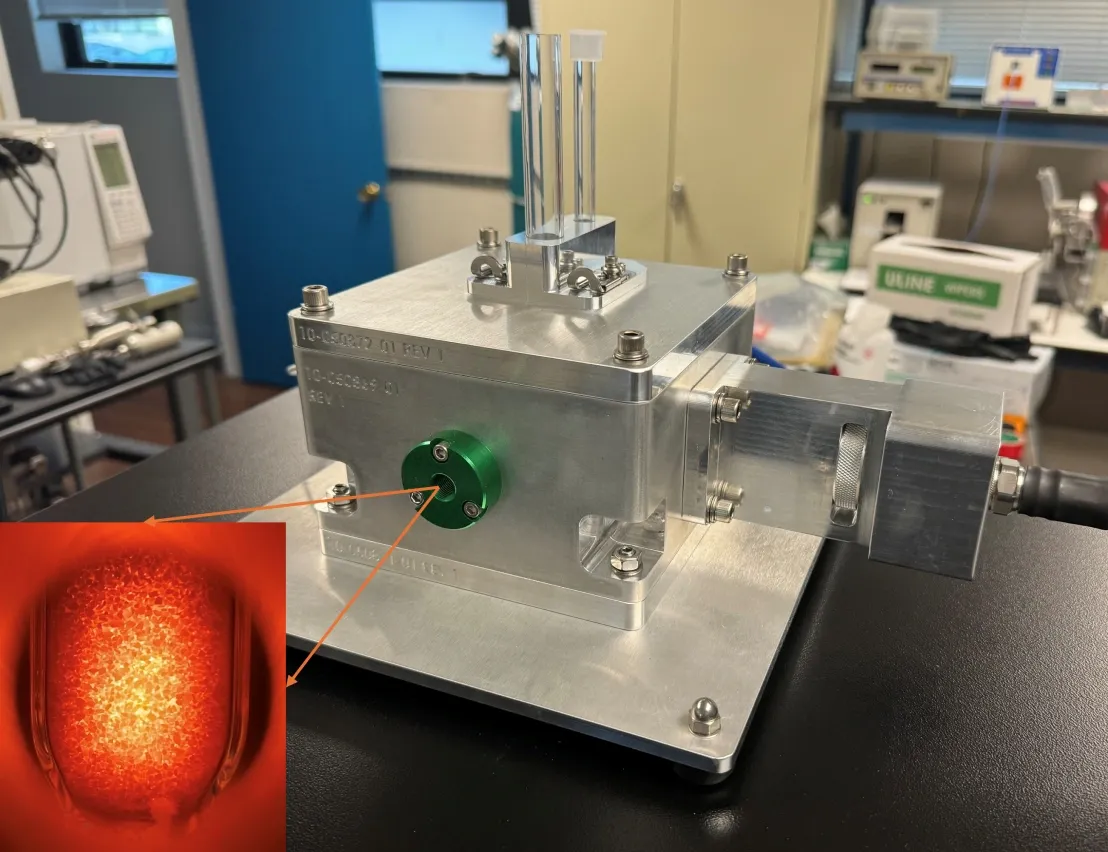
Built for applications where a small solid sample must be heated precisely while remaining accessible to external diagnostics, this TE111 resonant cavity system combines a 2.45 GHz solid-state generator with a defined resonant cavity architecture — promoting repeatable microwave coupling and supporting clear access for thermal, optical, and beamline-aligned measurements. Closed-loop PID control with programmable ramp-and-soak capability maintains tight temperature management throughout, making it a compact platform for research environments where precision and geometry control matter as much as raw power.
Key features

  • TE111-mode resonant cavity architecture
  • 2.45 GHz solid-state generator platform
  • 0 to 450 W controlled microwave power delivery
  • Low-loss coaxial power connection
  • Manual coupling adjustment for reflected-power minimization
  • Non-contact IR temperature measurement
  • Closed-loop PID temperature control with programmable ramp-and-soak capability
  • Quartz sample holder interface
  • Water-cooled chamber plate
  • Ports for gas purge or reactive gas injection

Primary application areas

  • High-temperature solid-state materials research
  • Catalyst screening and activation under controlled microwave fields
  • In-situ heating during external characterization
  • Microwave-assisted solid-gas heterogeneous reaction studies
  • Beamline-aligned microwave heating experiments
  • FTIR and synchrotron characterization under microwave heating

Modular Continuous Flow Reactor

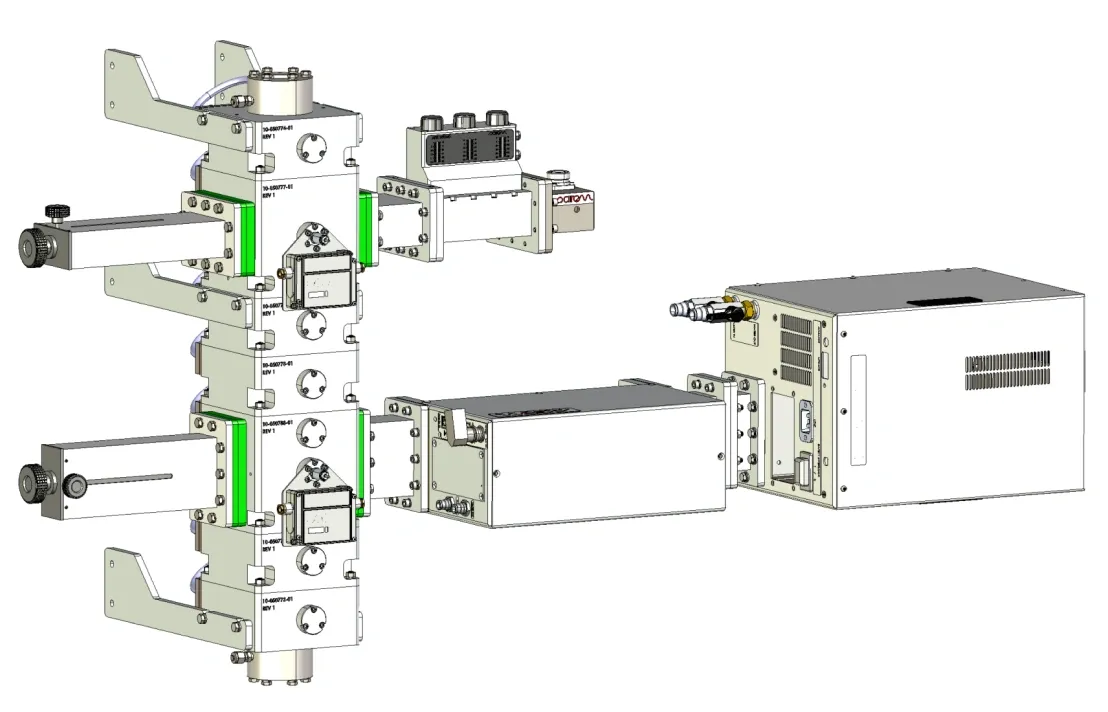
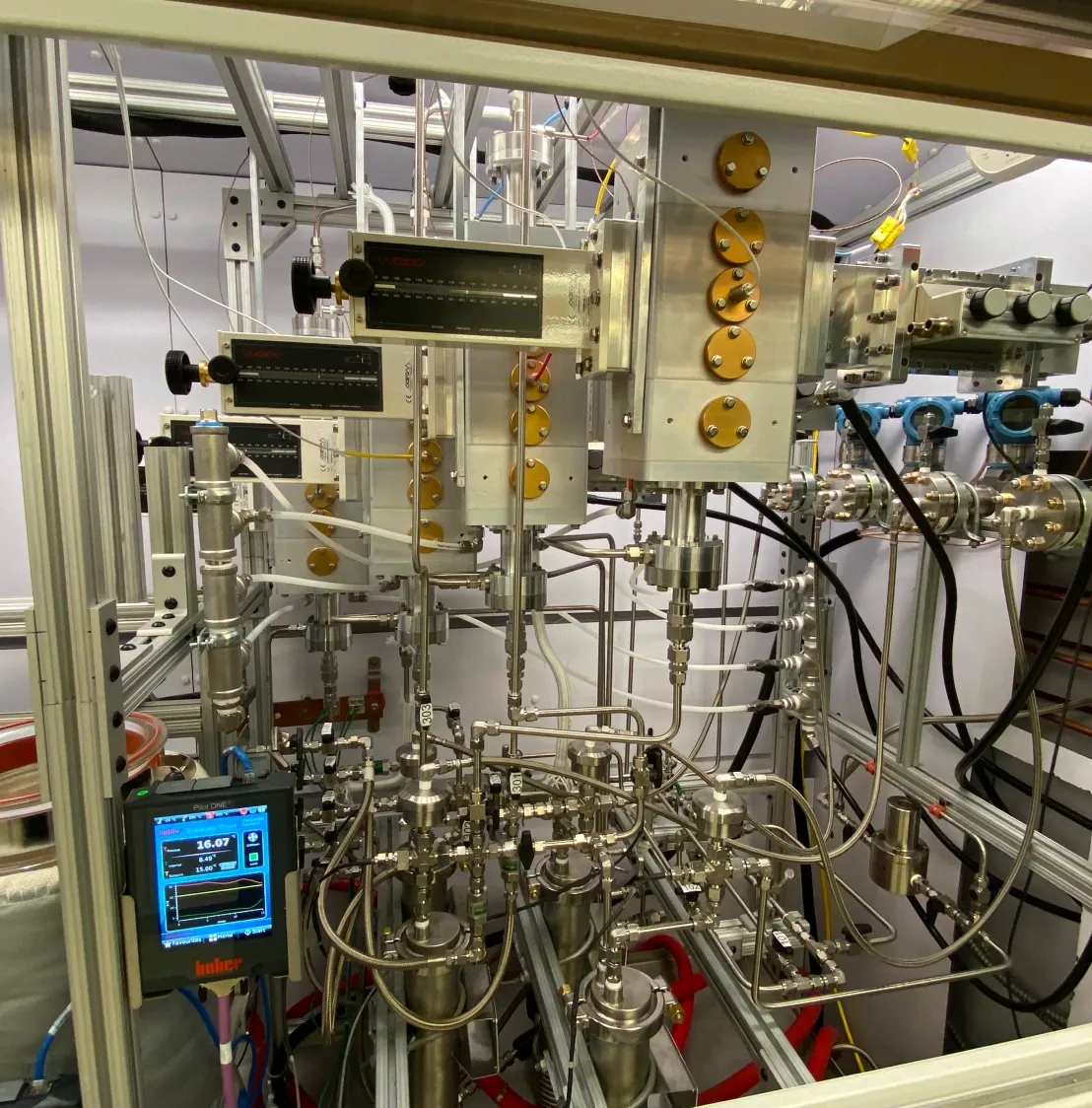
Built for continuous-flow process development that requires a complete instrumented system rather than a single heating element, this modular microwave reactor combines configurable cavity architecture with integrated tuning hardware, thermal monitoring, process interfaces, and centralized control — enabling elevated-temperature and elevated-pressure flow chemistry at scale. A four-source configuration extends the platform into higher-throughput continuous processing, with scalable geometry and HMI-based controls designed for manufacturing-oriented integration.
Key features

  • Modular microwave cavity architecture
  • Solid-state and magnetron-based generator input options
  • Configurable cavity geometries and process sections
  • Integrated waveguide tuning hardware
  • Instrumented thermal and process monitoring
  • Recipe-based multi-reactor control with PC / HMI interface
  • Scalable architecture for pilot and manufacturing-scale integration

Primary application areas

  • Continuous specialty chemical processing
  • Microwave-assisted liquid-phase reaction development
  • Continuous elevated-temperature and elevated-pressure flow process scale-up
  • Pharmaceutical intermediate and API continuous manufacturing
  • Custom microwave reactor integration for manufacturing sites

Plasma Deposition Systems and Process Platforms

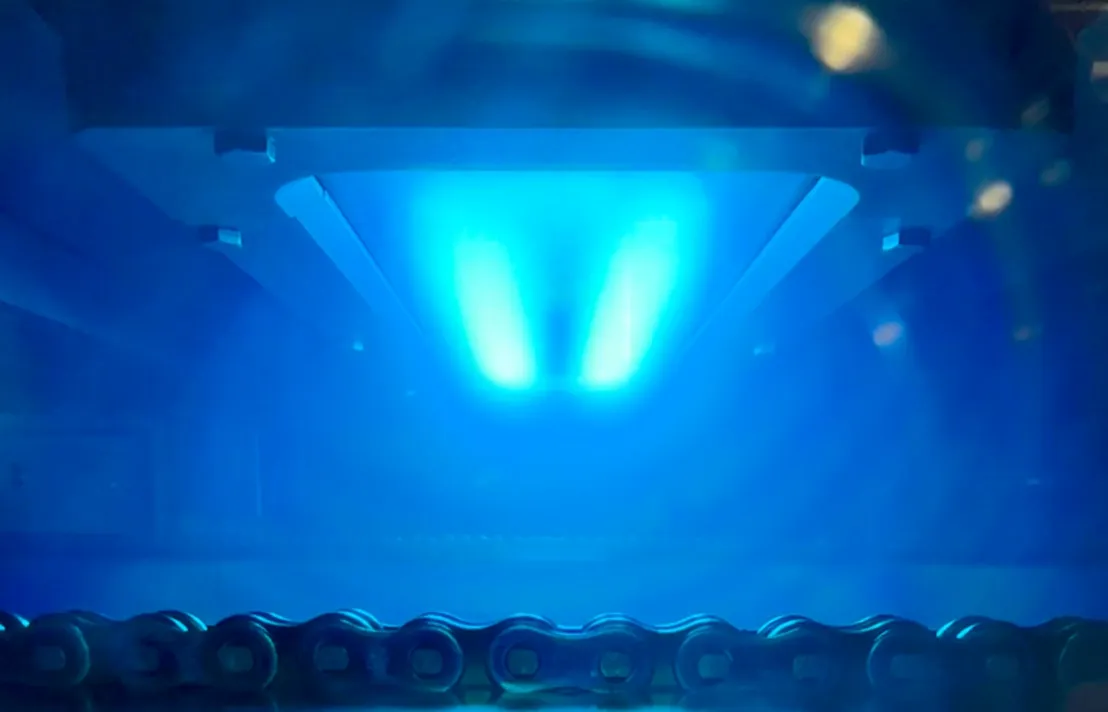
Built for thin-film growth and surface treatment development that demands custom process architecture, Malachite designs and integrates vacuum and plasma deposition platforms — configurable around DC, pulsed DC, and HiPIMS sputter deposition, as well as PECVD processes built around SAIREM Aura-Wave and Hi-Wave microwave plasma sources. Flexible chamber, source, and process-configuration options allow each platform to be tailored to the application, supporting hybrid PVD/PECVD processes and custom process integration across research and development environments.
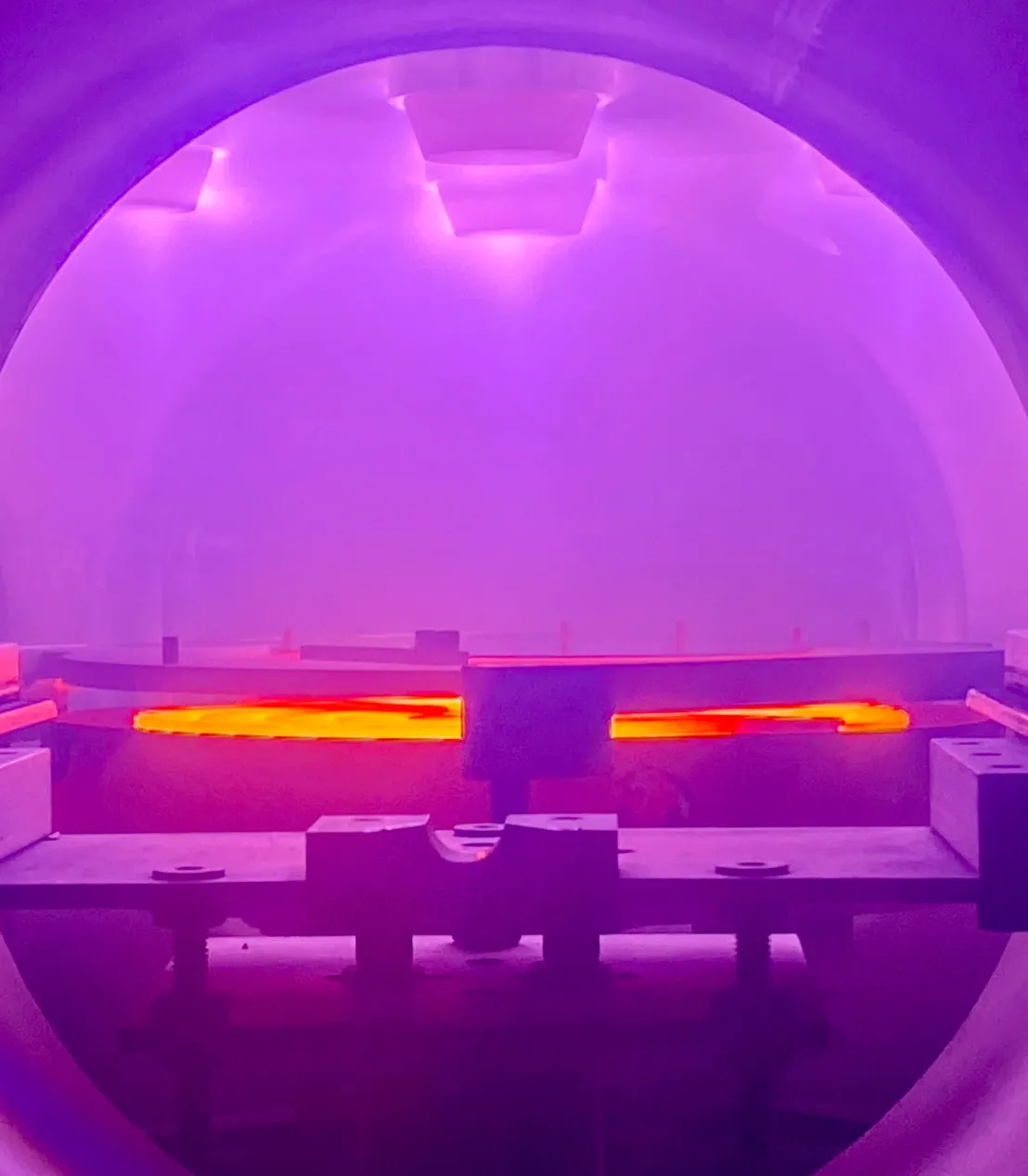
Key features

  • Custom vacuum and plasma processing platform design and integration
  • DC, pulsed DC, and HiPIMS sputter deposition configurations
  • PECVD integration using SAIREM Aura-Wave and Hi-Wave microwave plasma sources
  • Hybrid PVD / PECVD and plasma-treatment process integration
  • Configurable chamber geometry, source layout, and process section architecture

Primary application areas

  • HiPIMS and pulsed DC hard coating deposition
  • Diamond-like carbon (DLC) and wear-resistant coating development
  • Microwave PECVD for silicon nitride, silicon oxide, and functional film deposition
  • Hybrid PVD/PECVD process development and integration
  • Optical and anti-reflection thin-film coating
  • Diffusion barrier and adhesion layer deposition
  • Plasma surface activation and pre-treatment for bonding applications

Let’s engineer your next reactor system

Whether you’re developing a novel process or scaling a proven concept, we’ll help you get from idea to validated hardware.

DISCUSS A PROJECTEXPLORE CAPABILITIES